


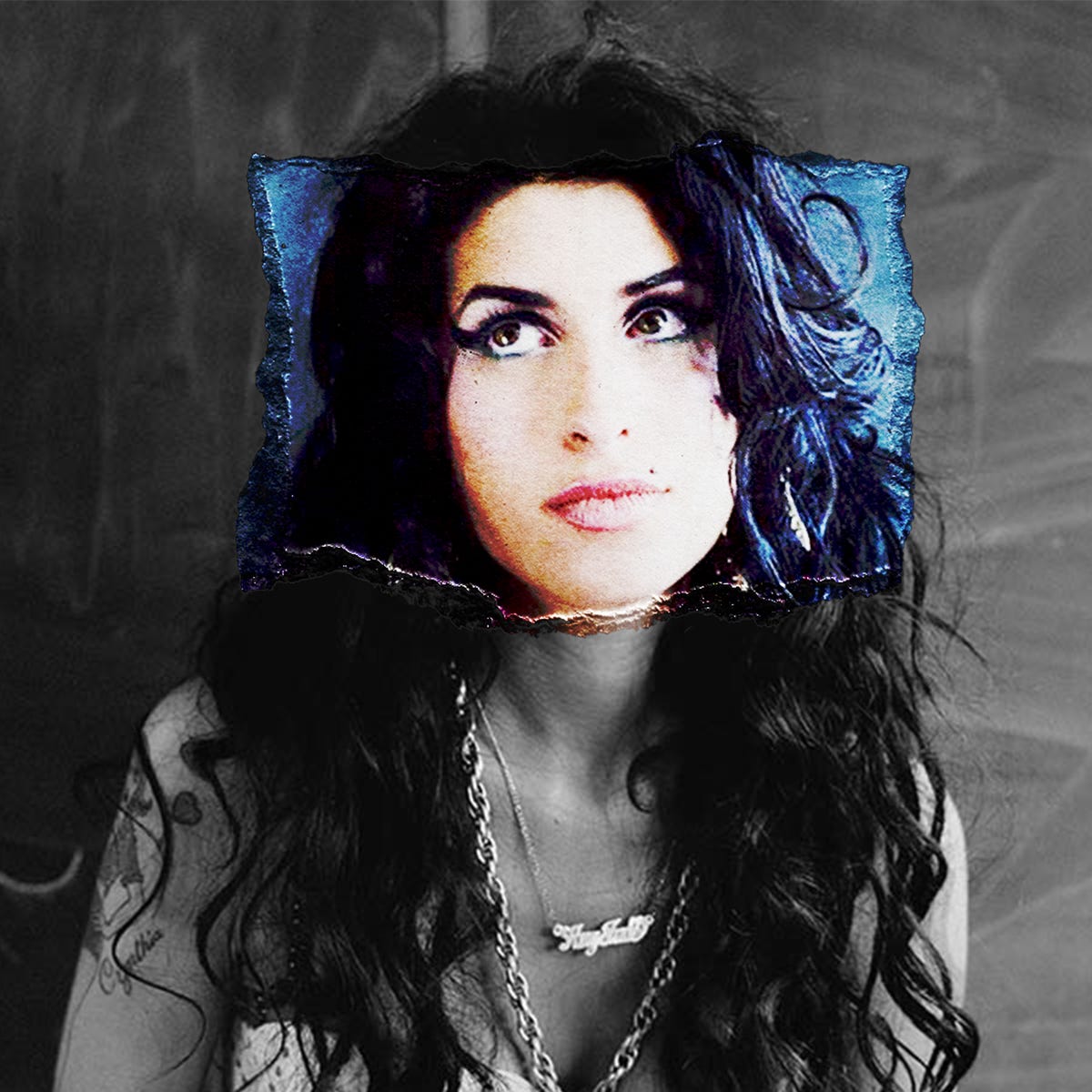
Anyone who has ever loved a man in a way that makes them sick knows exactly how it goes: He says no two people have ever understood each other like this, that this is destiny, that you are the sun and he is the stars. Then, six hours later, he fucks his ex “by mistake.” You run into him on the sidewalk and immediately throw up at his feet. He says let’s get a drink. You finish a bottle of champagne together, and another the next day, and another the next day. He touches your thigh in a bar and your skin erupts into hives. You say, “Please leave me alone.” He says he never will. All the wounds you’ve ever had open up, and his unabiding half-love feels like acid poured into them. It burns so beautifully. When it finally ends and everything is quiet again, you think you’re better now. “I am not the kind of woman who would let that happen—I respect myself.” Then, a few years later, a man just like him finds you again.
The second time I found myself in this situation, I started walking. Every day, I crossed the Williamsburg Bridge, walked through the East Village, and ended up in Times Square. I stared into the eyes of the malevolent Elmos and the radioactive Cookie Monsters and listened to “Tears Dry on Their Own,” a song off Amy Winehouse’s inky and entrancing sophomore record, Back to Black. Built around an interpolation of Marvin Gaye and Tammi Terrell’s triumphant Motown soul classic “Ain’t No Mountain High Enough,” it is one of brightest-sounding songs, all glimmering horn bursts, slinking bass, and jubilant multi-tracked backing vocals.
But the song never reassured me that a happy ending awaited. There are very few of those on this album. Instead, Winehouse laid out exactly how I felt—the early thrill of a relationship built on empty but alluring promises, the clawing feeling that there is more to life than this, the inability to leave regardless—with such clarity that it all began to feel very ordinary. I didn’t listen to this song and suddenly act right: any song that could have made me do that should be studied in a lab. We saw each other for months more, but a subtle and important shift happened. I started to understand his behavior as part of a common but nonetheless torturous pattern of patriarchal violence. A growing part of me understood that I was not caught up in the gorgeous and tragic story of star-crossed lovers who could talk on the phone for 14 hours and who were equally thrilled to spend 4 hours on a Tuesday driving to the Wawa mentioned in a Mary Lattimore song. I was far from the only person who had been in this situation and it never, ever worked out for a woman who stayed in it.
Amy Winehouse released Back to Black at the age of 23, but sang with the wisdom and self awareness of someone thrice her age. She talks about heartache and mistreatment by men with a sense of inevitability, like a scientist outlining the laws of physics or an elder passing down folkloric knowledge: This is how it is, it’s how it always will be. And yet, the genius of her music is that, candid as she is, she’s never didactic or emotionally removed. These songs are ablaze with desire: to hold on to something that cannot work, to believe that, maybe, this time will be different. It’s that central tension between understanding and action, of watching yourself do what you shouldn’t like God staring down at her creations from the heavens, that makes these songs so incredibly potent. When you know how her story ends, how so many of the people she trusted most exploited her, the decision to keep fighting for love feels so much more heartbreaking.

