


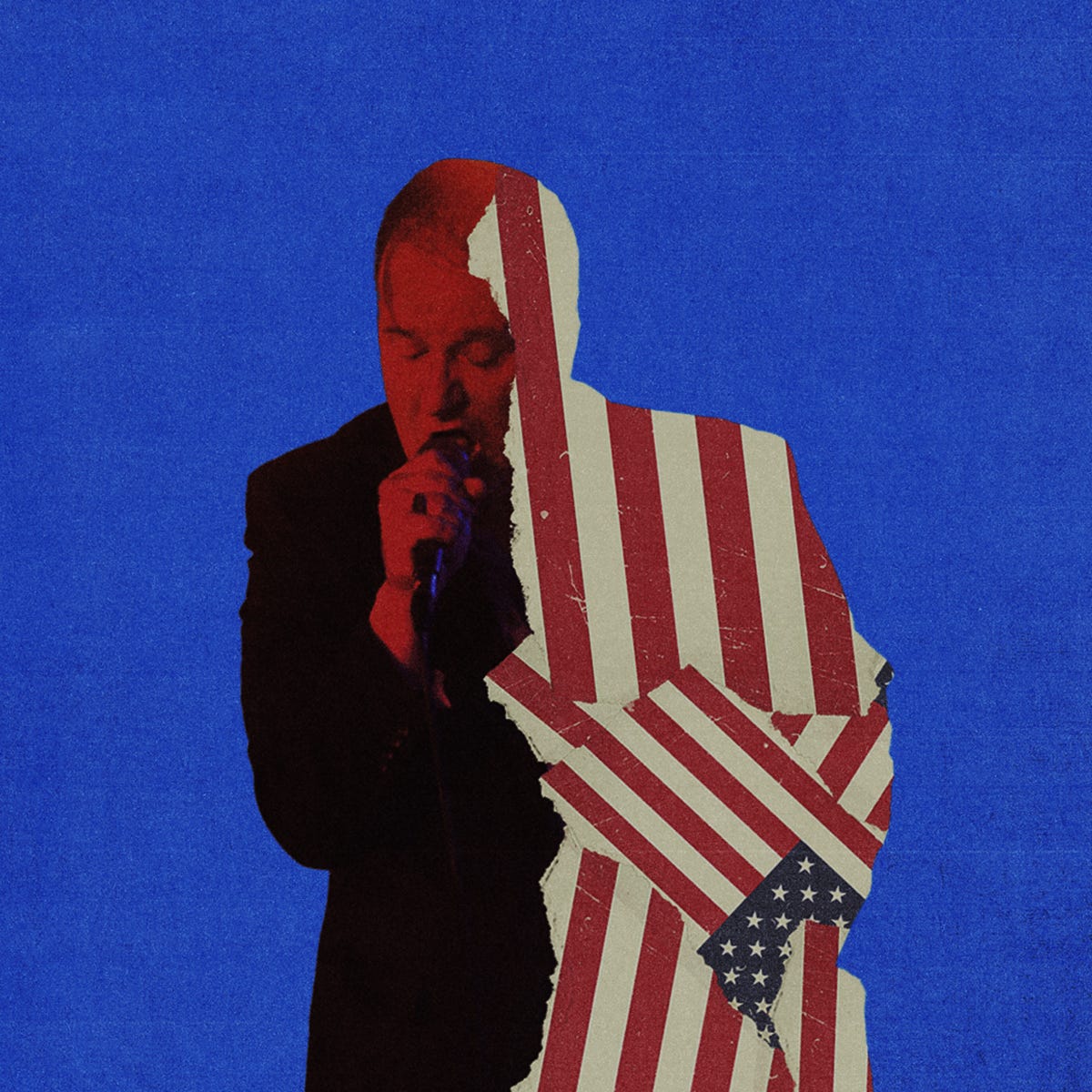
As you walk toward the check-in desk, you notice how unsettlingly quiet the lobby is. It’s late, but not late enough for a hotel to be this deathly empty. No sound but that of your own footsteps on cheap tile and the buzz of that one fluorescent lightbulb struggling to stay on. For a few seconds, you wonder if this place even has a front desk clerk or if you’ll be left to wait here until your bones rot.
Slowly, creakily, he emerges from the back office, doesn’t bother to say hello or even make eye contact. Bedraggled and beaten down, he looks like the kind of person who’s always hung over, even if he hasn’t touched a drop in weeks. “Welcome back to the dream of a rotten mind,” he says. His voice sounds like he regularly chews asbestos. “The rooms are half empty, the hallways are where you’ll survive.”
He throws a shiny keycard at you and you start your long plod down the hallway to your room. You think the lightbulb’s buzzing is getting louder, giving way to the harsh sound of static. You can hear the clerk shouting after you—barking, really. “The difference this time is you’re gagging for it. The difference this time is your appetite for hate.” The static takes on a pounding, punishing rhythm, like having your head held next to a mistreated amplifier. You thought you knew how brutal it could get. You didn’t.
So much for the excess that might have greeted you in this most American of hotels 50 years ago. Back then there was a brightness to lure you in before the dark side came. But this isn’t the Hotel California. Now it’s all dark side. Welcome to the Hotel Usona…
Protomartyr have never shied away from a good concept. Joe Casey’s dark-deadpan, often surreal lyrics have drawn comparisons with the late Mark E. Smith if the Fall frontman were working with the stuff of Midwest America rather than the North of England. Match his pessimistic penchant for cock-eyed satire with the intricate pummel of Greg Ahee’s guitar work, Bonham-esque drums of Alex Leonard, and Scott Davidson’s concrete mixer bass playing, and you have a very original and brutally apt sonic channel of what the smarter among us might call “the late capitalist unconscious.”
Watching the video for “Sounds We Cannot Hear,” Hotel Usona’s first single, it’s clear that Protomartyr is deepening its exploration of this niche. The song itself veers between calm contemplation—helped along by the inclusion of brass, xylophone, and harmonium—and a punishing wall of sound accentuated by screaming keyboards. As for the video, it’s a tongue-in-cheek exercise in toxic masculine cringe. While we listen to Casey drone about 81 dead since dawn, poets jumping overboard, and how doomscrolling “deforms the day,” we watch a grown man driven to a temper tantrum in a hibachi restaurant because he can’t catch a shrimp in his mouth.
It’s all trademark Protomartyr. But Hotel Usona leans into the construct of the concept album to a degree the group never really has before. In the run-up to its release, the band revamped its website to resemble that of a real hotel. Click on the Guest Rooms option and you’ll be taken to a wide array of room choices, complete with cryptic descriptions and underwhelming, vaguely threatening pictures of the Hotel Usona’s amenities. “Sounds We Cannot Hear” next to a dingy bathroom and a cheap microwave, “Exalted Eagles” accompanied by dusty, aging shag carpet, “The Knife Dream” with wrinkled, damp-looking pillows. The description for the “Third Country” room reads:
Less a suite, more of an experience. A bespoke holding area for those you might deem unworthy. Why be beholden to certain regulations of our blessed country when you can “stay-tricate” or “fun-port” somewhere else?
Yes, we get it. Hotel Usona is a metaphor for America. The cover artwork—a bald eagle sternly surveying an unseen landscape—hits the device home. Even the name of the fictional hotel, “Usona,” references an outdated acronym for “United States of North America.” And yes, the room names are actually song titles. Each song takes on a different aspect of a bleak contemporary life, peppered with vague allusions to the strings—or hallways, as it were—that join them all together. The aforementioned “Third Country” sounds like elevator music tired of playing itself as it digs up the salacious cruelties of ICE deportations (“A third country/behind wrought iron and razorwire/for the favor of a distant power/cages hold beaten souls”) before being overwhelmed by an inevitable wave of cacophony. “Converts,” a tune whose rock conventions stumble and trip their way through trumpet and strings, asks what it must be like for someone strongly implied to be JD Vance to look himself in the mirror (“Can a God be found in such self-regard?”).
It’s all a bit on the nose, but then, this century of American embarrassment isn’t exactly subtle. It’s doddering, punch drunk, excessively blunt, full of arrogant bluster and capable of doing real damage. An America that rattles its saber about owning Greenland and renaming bodies of water, that sends masked men to abduct and disappear your loved ones, is also one that has figured out how to compartmentalize.
What’s more, it’s clear that, musically and thematically, Protomartyr are broadening their oeuvre. Not only is there a greater sonic variety on display—more shifts between soft and loud, contemplative and unhinged, more incorporation of jazz-tinged brass and woodwind—Casey seems to be searching for the existential edge in all of his subject matter, where previous efforts found his “social” and “personal” songs, deliberately or not, discretely segmented from each other.
Fast forward to the video for Hotel Usona’s second single, “Feed the Sewer.” Screech-buzz-pound instrumentals, barks comparing the light of a mobile device to the slit of light that comes through a prison window, and our insecure, aggro-addled protagonist returns. This time, he’s paying someone through Venmo to go to a motel room and watch—through a network of hidden cameras—what everyone else is doing in their motel room. One guest sleepwalks in the nude. Another livestreams himself unboxing a revolver, while still another ransacks her own room looking for some unspecified item before finding the hidden camera. Quick flashes of the band playing in a storage closet somewhere in the motel. All isolated and cut off, but inexorably drawn together in a ghoulish panopticon.
It’s an uncomfortable watch. Partly because it seems so familiar, so exhausting, and yet so titillating. By now none of us need reminding how doomscrolling “deforms our days,” how the algorithm forces a particular cognitive map on all of us, exposed and vulnerable but egged on to implicate everyone else, a faint cry of actual community echoing in the backs of our skulls.
We know our ways of thinking are fucked, how our attention is daily fractured between images of a bombed-out girls’ school in Iran, then a cat video, then a flood in Nepal caught on video, then a recipe for Dubai chocolate cookies. We know the feeling of being a begrudging part of the spectacle. If Protomartyr have rendered it better than they ever have, then it bears asking why we need this kind of reminder from our music.
In fact, while Hotel Usona is denying us escape, it still manages to provide a very specific kind of catharsis. A good amount of the publicity for the album has been dedicated to the glowing approval Protomartyr have received from fellow Detroiter and proto-punk legend Iggy Pop. Speaking of the new record, Iggy writes, “It is highly themed and symphonic in its reach. I could call it a kind of drive-through Sgt. Peppers, but that would miss the mark. This record is Wagnerian, it reminds me very much of the Opera Tristan and Isolde (by Richard Wagner)... To their everlasting credit, you will not hear any recycled Led Zeppelin or Country Blues music here. This is thoroughly modern storytelling.”
High praise, for sure. It also reminds, against the tide of places and times our culture is constantly jumbling into one, that Protomartyr come from a specific place, with a very specific history in a rock music lineage that used to know how to evolve. Before the cancelled futures, before the commodification of everything in sight. Before the hippies and radical students started slapping Deadhead stickers on their Cadillacs and became the fucking Eagles, lamenting the failures of their youth and the decadence of the present without doing much about it because we all not-so-secretly enjoy it. It was this lineage that Iggy and a bunch of other misfits from Detroit and other cities were trying to revitalize. It’s a mantle that plenty of rap and hip-hop and electro has been carrying well the past several years. Not so much rock, though.
With that in mind, there’s something to be said about the particular way rock music can show you life how it is, though not in the way it’s normally shown to you. The way it’s willing to be dirty and nasty, standing in the knee-deep shit of history with clear eyes. Hotel Usona’s closing track, the laconic and aptly titled “Checking Out,” sees Casey ruminating on what it means to become a father in a volatile world with an uncertain future.
The misery dogs are barking
But don’t you be afraid
We are all out in the fog, reaching
Stumbling between immensities
When you were born
You carried a light with you
And when you found me
You found a wretch
Who needed desperately needed to ahead
It’s not an uncommon anxiety nowadays (including, recently, for this author). Folded in is a paradoxical realization that seeing another human—actually seeing them, not regarding them behind the exploitive safety of a screen—means having a future forced on you. And who knows? You might just find that future giving you something to hope for, even more so in the midst of all the fucking wreckage.
Hope, in the view of the Protomartyr of 2026, is a precious resource. It can’t be clumsily superimposed on the devastations of the present, but it can be mined in the cracks of daily life, clutched fiercely but never jealously. Right now, even with all the investments and entanglements we have in this dismal establishment, there’s a non-zero chance it’s right outside. If only we can find the exit.
