


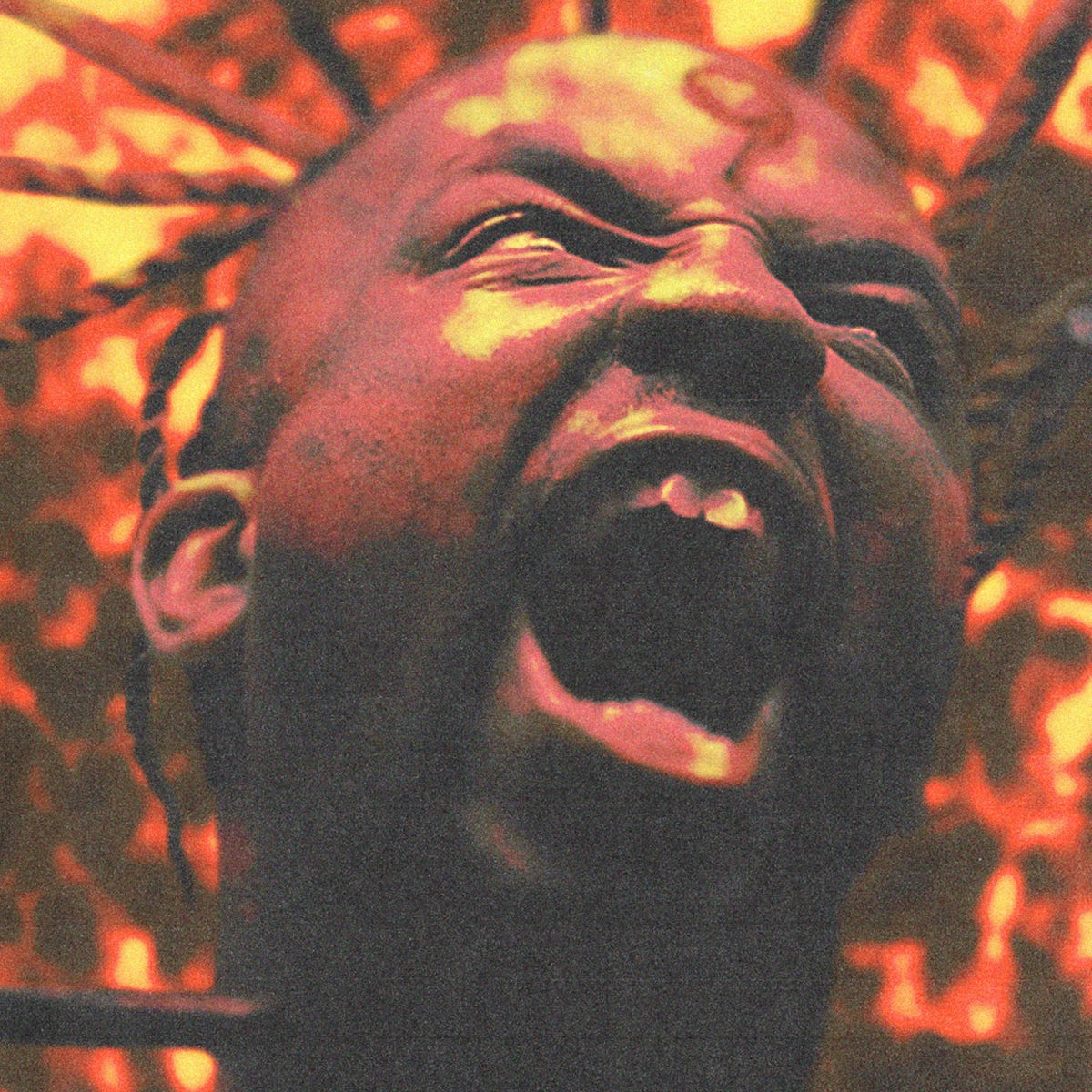
Let’s get this out of the way. Tech N9ne, no matter his rapping prowess, or his financial success, is not exactly a fashionable rapper. For many, he is the musical equivalent of someone blindfolding you, sticking your hand into a bowl full of cold spaghetti and peeled grapes, and telling you it’s eyeballs and brains. While Insane Clown Posse, the act with whom he frequently gets lumped in, have backdoored their way into mainstream respectability (or at least in-on-the-joke acceptance), such status eludes Tech N9ne—probably, ironically enough, because with every single thing he does, you can tell exactly how hard he was trying. He sold a lifestyle, something Juggalo-adjacent but with a broader appeal and less implied property damage. And while ICP got by on spectacle and farmed out the actual technically proficient rapping to underlings like Twiztid and Blaze Ya Dead Homie, Tech rapped so hard and so fast, the syllables pitter-pattering out with such staccato intensity that you could nearly hear the veins popping in his temples, that his style served as a metaphor for the regimented, disciplined hustle that defined his entire operation.
Over the years, Tech N9ne has become a genuine piece of American folk culture. Talk to someone from KCMO, and they’ll tell you about how they used to see Tech N9ne rolling around in one of the multiple vans he has with his own name on them, or how they ran into him at some random Chiefs game, or how some guy they went to high school with once had a verse on a Tech N9ne song and it was the only thing they’d ever talk about ever. The Big Bang for all of this is his 2001 record Anghellic, the aftermath of which represents the culmination of the mid-90s-to-early-2000s regional independent rap scene, as well as its bridge to the online era.
Kansas City, Missouri, is one of those thriving cultural hubs that few on the coasts talk or even think about, presumably because we are all a bunch of myopic dickheads. It’s got great food, great music, and yet at this precise moments is best known for Patrick Mahomes vibing to the “Chainsmokers, DJ Khaled, [...] that’s every genre of music right there.” It’s eight hours by car to Chicago and 25 to Oakland, yet those were its rap scene’s primary reference points in the mid-90s to early 2000s—Mob Music on one side, as represented by local stars like Rich the Factor, and a healthy dollop of Do or Die and Twista-style chopper flow on the other, as represented by Tech (though, to be clear, he maintains he developed his style independently of even Bone Thugs-n-Harmony, another common touchstone). And though the city had enjoyed a robust hip-hop scene since the ‘80s, issues with obtaining distribution on a national scale kept things relatively insular, beyond these connections between regional underground scenes, especially the Bay: Rich the Factor was a frequent collaborator with guys like Messy Marv, San Quin, and Mac Dre, while Tech N9ne himself was a member of Yukmouth’s The Regime and is currently touring with E-40 (the pair are also distant cousins, it turns out, but that’s neither here nor there). I asked Richie Abbott, who in addition to being an industry veteran and venerable hip-hop historian, also happens to be Tech N9ne’s publicist, to explain the whole Bay/KC deal, and he told me, “There seems to have been a real pipeline there—radio play, collaborations, overlapping fanbases, and a shared independent hustle model built around trunk sales, local stores, and regional word-of-mouth.”

