


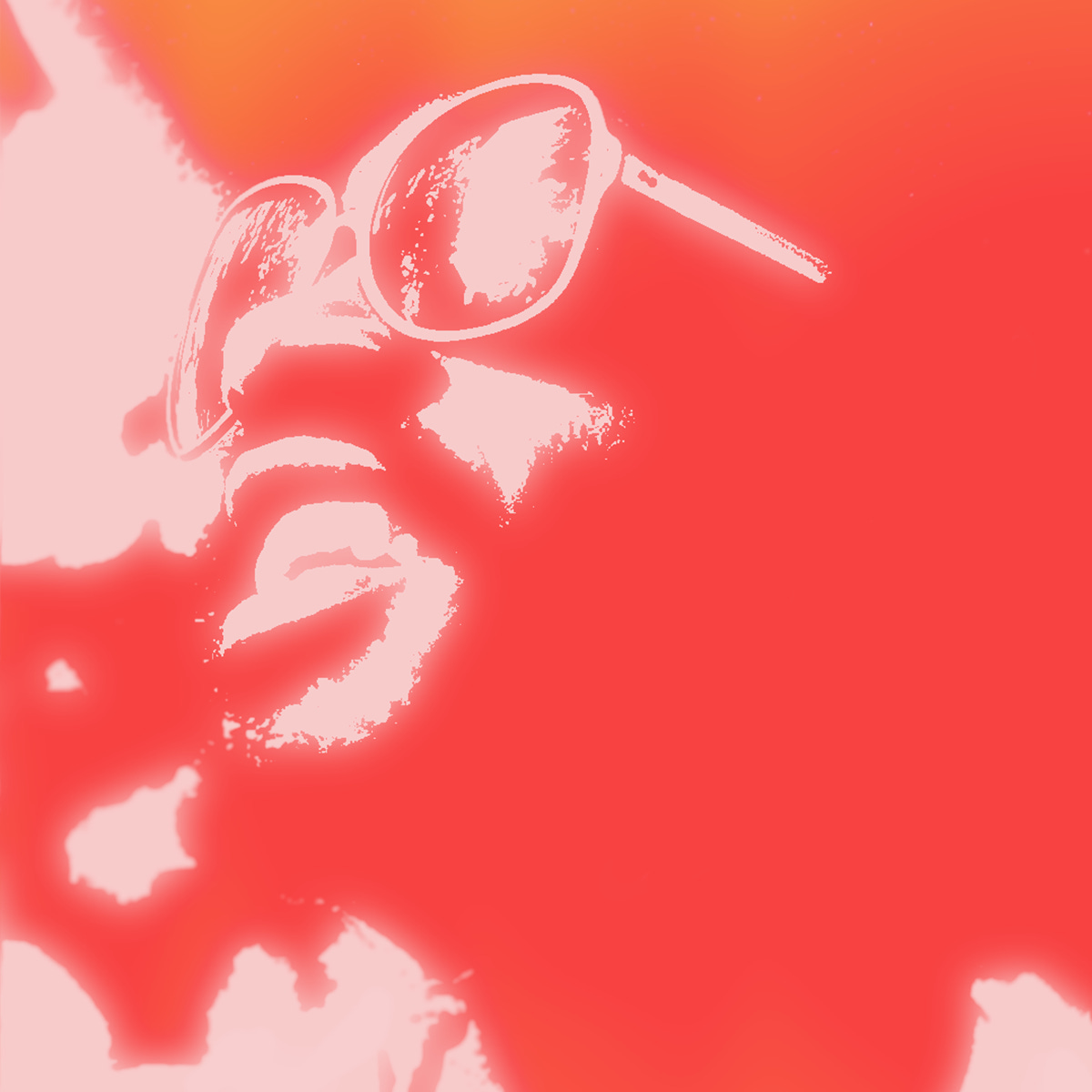
Stevie Wonder spent the late 1960s and early ‘70s riding a high of unparalleled imagination, pumping out a series of genre-defining and -defying albums like Talking Book, Innervisions, and Fulfillingness’ First Finale, all driven by his fondness for studio wizardry and expansive, immersive songwriting. Despite his brief contemplation of giving up the music biz altogether in 1975, he entered 1976 with a supercharged musical vision that resulted in what is unanimously his magnum opus, if not the greatest album of all time: Songs In The Key of Life.
Originally titled Let’s See Life The Way It Is, the album’s final name came to Wonder in a dream. It quickly became a mantra for Wonder during his songwriting process, as he pushed his aperture wider and wider. “I challenged myself [to write] as many different things as I could, to cover as many topics as I could, in dealing with the title and representing what it was about,” he said in the Classic Albums documentary special. “The title would give me a challenge, but equally as important as a challenge it would give me an opportunity to express my feelings as a songwriter and as an artist.”
He became a studio rat during the Key Of Life sessions, spending long hours—if not days—non-stop in multiple studios across Southern California and New York. A supporting cast of characters including the likes of Herbie Hancock, Dorothy Ashby, Minnie Riperton, and George Benson aided him in the process, but Stevie kept the songwriting process primarily limited to the music of his own mind.
It’s not entirely clear how many songs Stevie cut during those sessions—he is famously protective of his vaults—but it’s likely in the dozens, if not hundreds. Many songs from that era have only been heard live, or were reworked into altered studio versions during his late period.
Yesterday, on the 50th anniversary of Songs In The Key Of Life, we got a rare peek into those vaults via a four-track EP of songs from the Key Of Life sessions. “We’ve lived with Songs in the Key of Life for 50 years, but there’s still more to hear,” Wonder said in the EP’s press release. “We didn’t add these songs to the album, but they were part of what I was feeling and discovering as we made it. They bring me back to that time in my life, and now they get to become part of yours.”
All four songs were written and produced by Wonder, with Supremes alumni Susaye Green receiving a co-writing credit on “My Life Story Of Love.” John Fischbach and Gary O Adante, the album’s original engineers, returned to the mixing board for the release.
The opener “It’s Easier” features a Sly Stone-reminiscent drum machine beat layered under live percussion and Stevie’s signature keyboard wooze. It’s guided by Nathan Watts’ walking bassline as Stevie slowly ascends into a clerical growl as heard on Songs cuts like “As.”
Following is “My Life Story Of Love,” propelled by a keyboard lead filled with the type of airy magic that only exists in the type of magical ‘70s soul records north of The Isley Brothers. Stevie employs perhaps his greatest songwriting subject, love, singing about the whirlwind of romance in a way that matches the music’s dream-like quality.
Real Wonderheads might recognize “I Can See The Sun In Late December,” which was a live-only Stevie cut that he sparsely performed in the 70s, most famously on the German television program “Musikladen” in 1974. The song would appear sung by Roberta Flack on her 1975 album in a sprawling 12-minute version arranged by keyboardist Harry Whitaker and Flack herself.
Wonder performed the song for the first time in over 40 years at Flack’s memorial service in 2025, stating “This is a song that Roberta sang that I wrote. But it really is, today, a statement to the world. The world needs to open up their eyes and see. Let’s celebrate the God that we serve, the spiritual God.”
At four and a half minutes, Wonder’s original version is less dramatic but every bit as pleasant. There’s a baroque quality in the breakdown that brings to mind Stevie’s medieval epic “Pastime Paradise,” but with a decidedly more acoustic quality. It’s a blessing to hear one of his prior live favorites in a fully realized studio form for what is surely a rare occasion.
The EP closes with its funkiest joint, “I’m Into Livin’.” The song is overloaded with synths and an unimaginably fat Moog bass played by Greg Phillinganes, whose similarly funky Moog you can hear on Michael Jackson’s “Baby Be Mine.” Though as captivating as anything else on the EP, it’s probably the record that would have felt most out of place on Songs In The Key Of Life. You can hear the indication of Stevie’s synth obsession that he would dive into headfirst three years later on the controversial-but-slept-on odyssey Journey Through The Secret Life Of Plants.
While there are rumors of some kind of anniversary deluxe, if these four songs are all we get, they shouldn’t taken for granted. It is a gift to glimpse deeper into the mind of history’s great geniuses, nonetheless in works from his golden age.
Stevie Wonder is embarking on a Songs In The Key Of Life 50th anniversary tour beginning this October, playing the album in full across 18 dates. He has announced his 24th studio album, Through The Eyes Of Wonder, to be issued some time in 2027.