

The kids aren’t alright, at least based on how they’ve been engaging with popular music. In the frenzy to prove themselves the most devout stan, listeners have assisted millionaires in winning increasingly obtuse games on the streaming charts, doxxed their idol’s perceived rivals, and even sacrificed their bodies’ physiological needs to be front row at the altar of their live shows. It would be one thing if this was all happening solely for once-in-a-generation talents, but somehow people are defecating themselves for Noah Kahan.
As beautiful as the relationship between listener and artist can be, that adoration can clearly go too far. Should folks be going into debt for concert tickets, or purchasing multiple copies of digital albums as lottery tickets for admission to future “activations”? Social media has increasingly swallowed legacy media, stoking parasocial practices that generate as much content about artist’s personal lives as op-eds about how we should respect their privacy. To paraphrase the primary victim of our corrosive attention, the times are toxic and we’re slipping under.
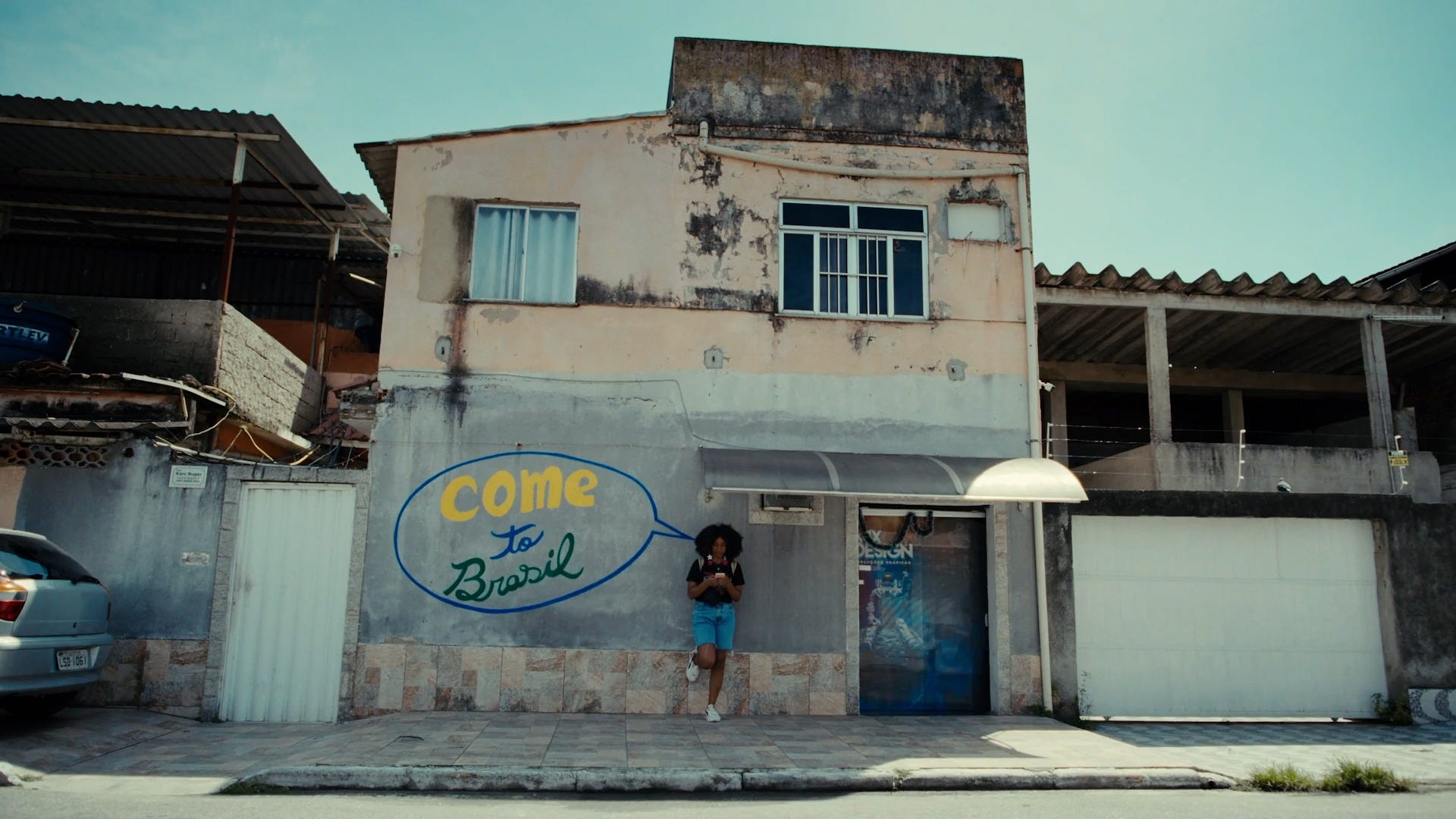
No fan base has taken as much pride in their rabid devotion as the Brazilians, who popularized the phrase “Come to Brasil” by bombarding their favorite artists’ comments sections with the requests since as early as 2008. The phrase came to saturate MySpace, Twitter, and Instagram to such a degree that it became difficult to discern when it was employed with sincerity versus simply committing to the bit. For those with a genuine stake in the request, it’s a prayer rarely answered, yet still no less believed in—a tension explored with surprising grace and nuance in a recent short film documentary by Lina Abascal for Rolling Stone Films.
If you think fandom can be intense in America, international devotion to pop’s star players is even more fanatic. Abascal’s documentary follows four residents of Rio de Janeiro, showcasing how their relationship with their respective faves informs their sense of self and civic pride. “Brazillians wear their heart on their sleeves,” a member of a “Bloconce,” a small Beyonce-themed bloco (the musician-led street parties you see during Carnival), says early on. “We go after it. We follow our idols. We camp outside their hotel.”
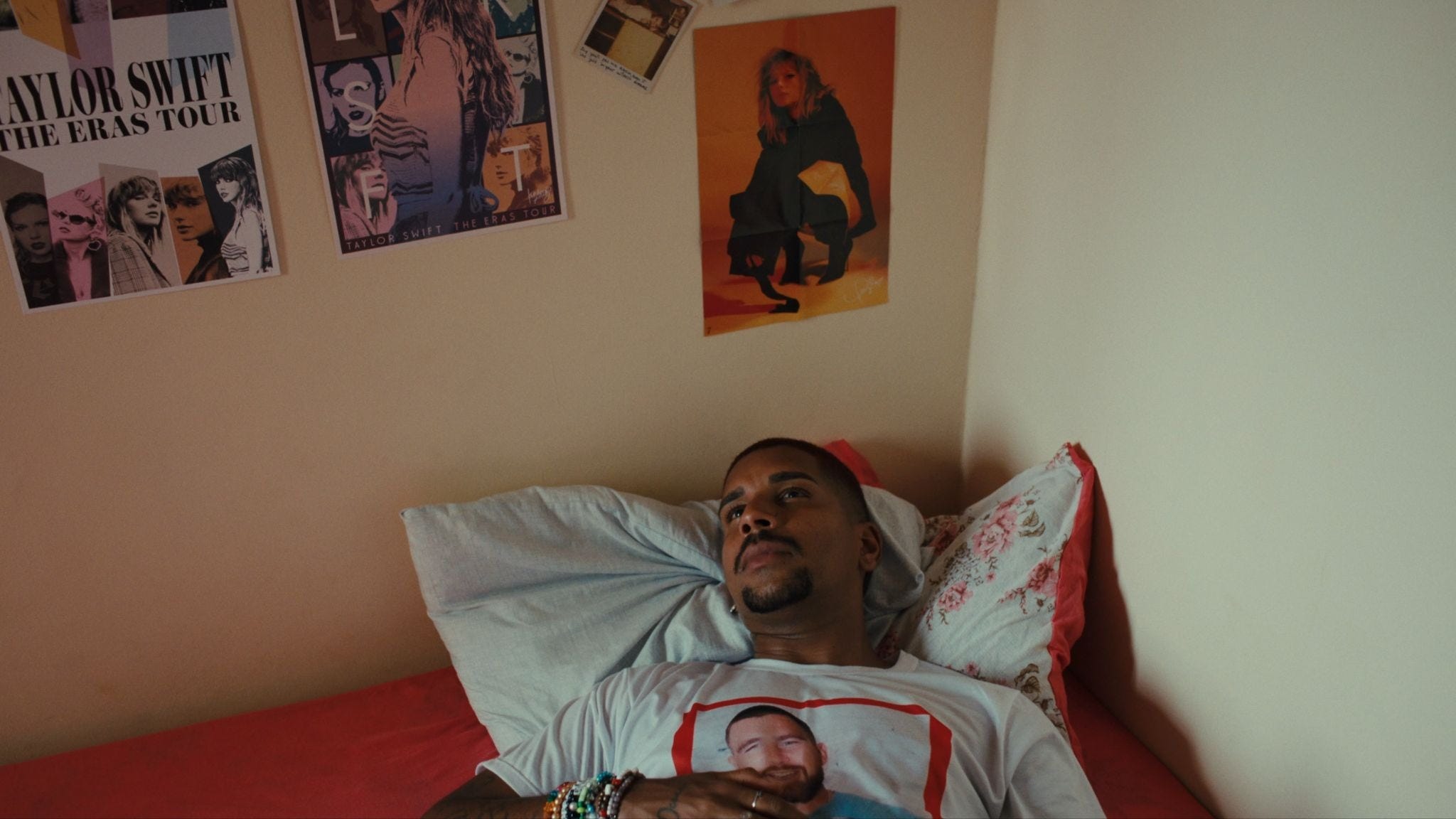
Take Bruno, who for the Rio stop of the Eras Tour in November 2023 spent the equivalent of $1,800 and slept outside the stadium for two months, weathering storms and a heat index of 140 degrees to get the best possible spot. For the 60,000 fans in attendance, paying their respects became a literal matter of life and death when a 23-year-old woman passed away from heat exhaustion. This led the country last month to pass the “Taylor Swift Law,” requiring organizers to guarantee free drinking water at large events.
The prostration of some Brazilians, however, is simply an exaggerated reflection of broader fan trends worldwide. “My friend was at the L.A. show for Audrey Hobart, an emerging, newer pop star having a moment,” Abascal recounted to me over Zoom. “And every young girl in the pit was horrified that she wasn’t coming back the next day for the second date.” While Deadheads and other jam band aficionados are no stranger to following bands on the road, this is a new normal for artists like Hobert who have one album and an exactingly choreographed stage show. Attending multiple nights is a dubious flex akin to telling someone you went to see The Lion King on Broadway for a week straight.
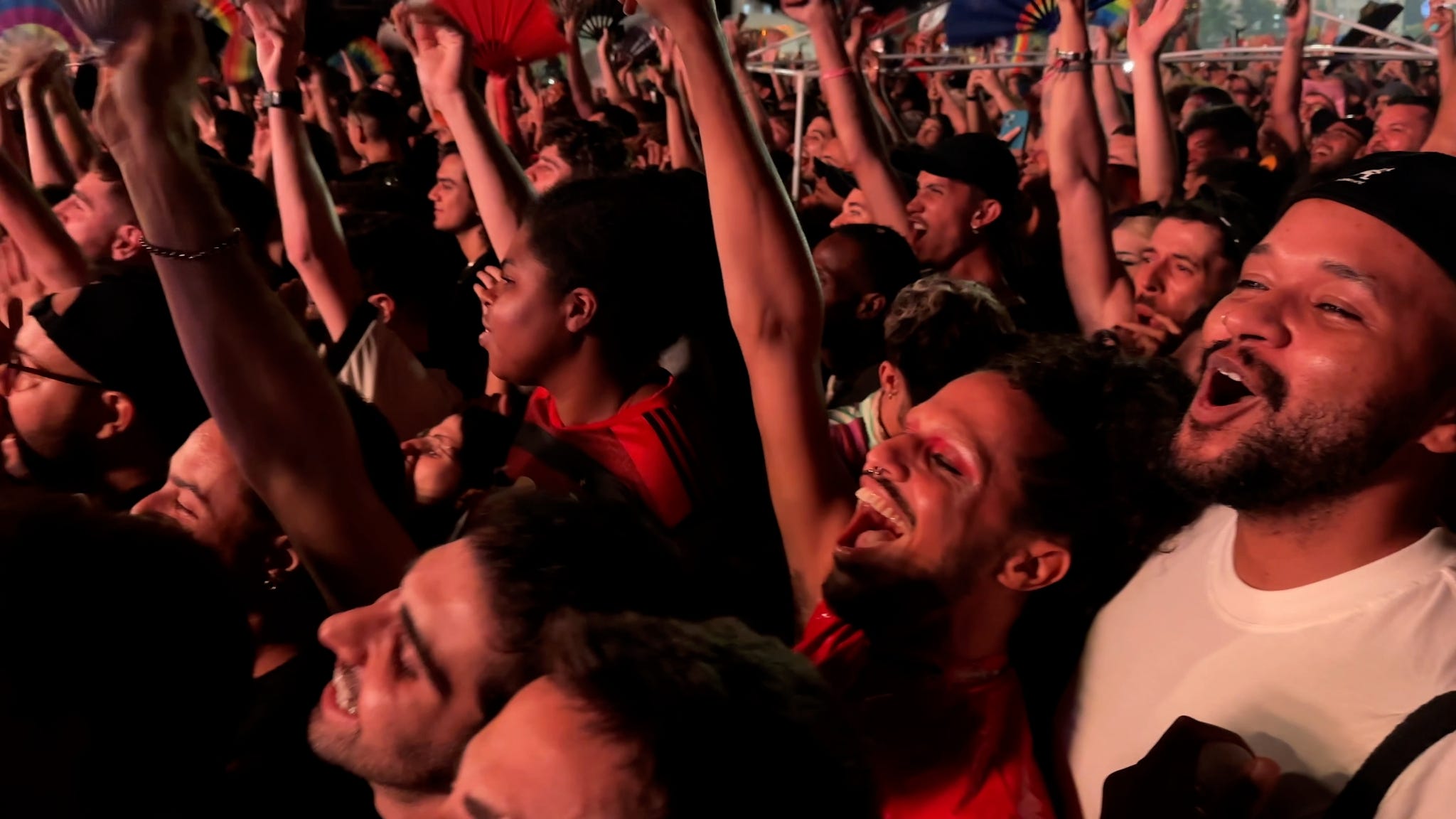
Yet Abascal’s documentary is ultimately sympathetic to its subjects, reminding the viewer of what makes music such a personally and socially fulfilling exchange. Part of the film’s power comes from its focus on representatives of pop music fandom who aren’t the archetypal, affluent children from the West with the means for copious, conspicuous consumption. There are abundant opportunities in America to see your favorite artist, pay them, stalk them. That has amped up these unhealthy expectations, as though shitting yourself in the front row is a badge of honor.
But for Brazilians, you are lucky to get a single show from an international artist in a decade, making the commitment to “getting barricade” at all costs a justifiable suspension of sanity. It’s not like I didn’t used to camp out before doors opened for my favorite artist, even if that was for five hours instead of five weeks. Come to Brasil honors how music can transform lives across borders, and the actual sacrifice required of Brazilian fans endowed their dedication with a significance that stood out to me from much of the cynical artist engagement I’ve seen stateside.
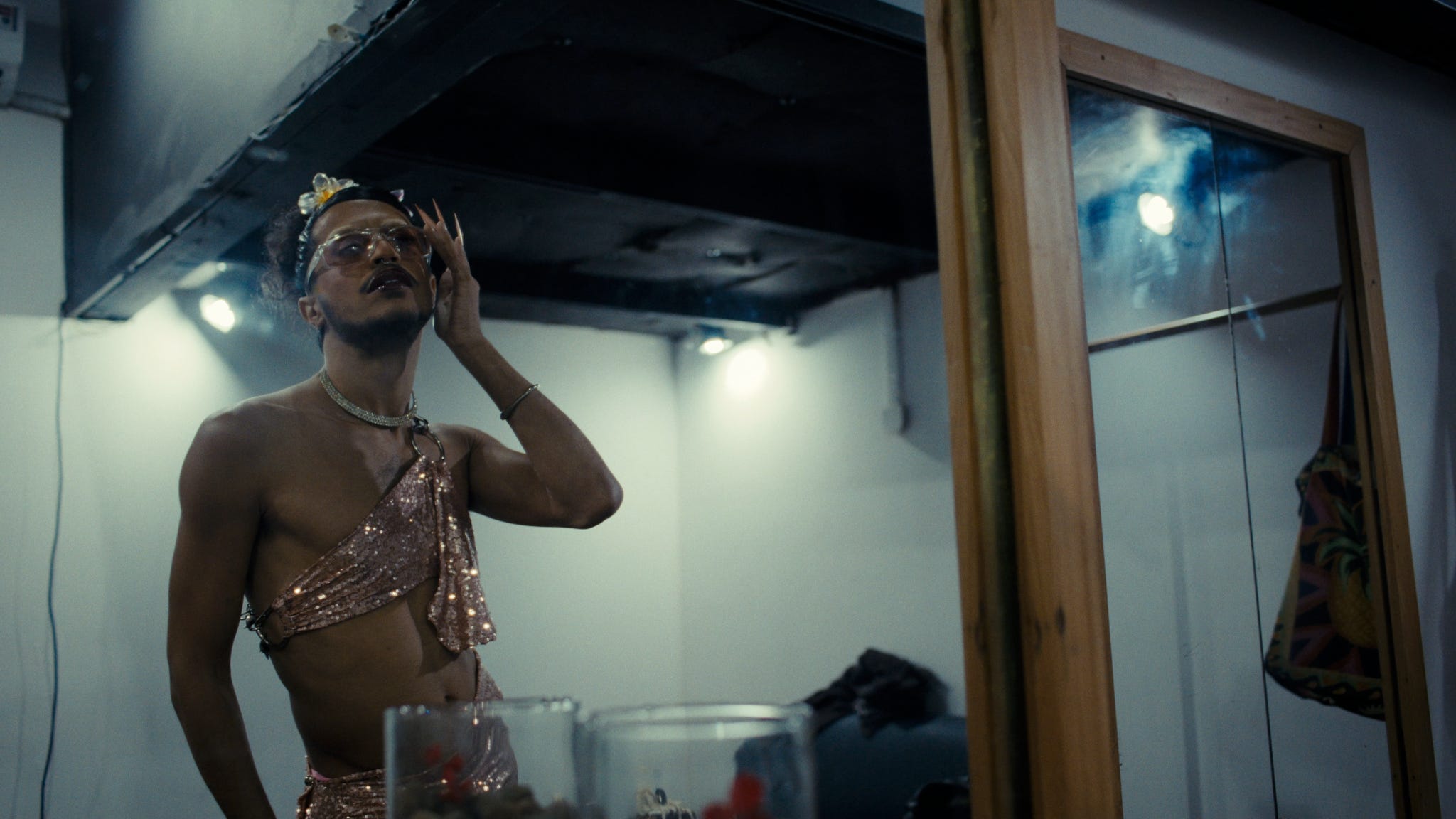
See Netto, a Little Monster, whose personal expression was informed by the confidence Lady Gaga inspired within them: “[She] was someone I could observe and see possibilities for what I could be, what I could desire, what I could build.” I was reminded of waiting in line after shows in college to get Mitski or Torres to sign a guitar pick, coming home hyped up to use it to write songs of my own. “We aren’t gawking at the subjects with a cheapened, campy extreme perspective of, Oh my God, can you believe these people do this?,” Abascal explained. “I am inspired by their efforts, not shocked and horrified. Fandom is a display of faith and resilience, and I wanted the purity of their intentions to be clear throughout the film.”
While the documentary focuses primarily on fandom, there is another story implicit in Come to Brasil: the global dispersion of cultural capital and economic power. Politicians from around the world one-up one another to court mega pop tours, pulling stunts like renaming their cities (Glendale became for a day “Swift City, ERAzona”) and changing legislation (New South Wales lifted a 57-year-old ban on hosting more than four annual concerts at the Allianz Stadium so Beyonce’s Renaissance World Tour could come to town). Wherever they land, those superstars generate massive windfalls for local restaurants, hotels, and transportation, as well as city tax revenue. These shows can shift economies, meaning far more than fan incentives are at stake.
So why aren’t artists coming to Brazil? Until 1985, it was because the country was run by a dictatorship that closed its participation in global pop culture. Once those walls came down, the limitation seemingly became the capability of cities. “Typically an artist cites that they can’t crate down all the equipment for their stage build-out because it’s so far,” Abascal said. “What it really comes down to is artists aren’t building mass South American tours. It’s maybe three cities—Santiago, Buenos Aires, and Brazil maybe. ‘Come to Brasil’ is the meme, but the need really comes from the whole region—people are just not going.”
Yet the elephant in the room is that those same excuses don’t prohibit artists from making their way to equally far off locales, like Australia or Japan. “What’s the unspoken thing with that?” Abascal probed. “Once I really started looking into the artists that are discussed in the film—like how has Adele never been? And what does the ‘logistical issues’ excuse actually mean when there is infrastructure here for the World Cup and the Olympics?”
Yet in recent years Brazilians have begun to assert their power in the commercial equation. The documentary shows that with Rock in Rio and Todo Mundo no Rio, some of the biggest concerts of all time are now happening in the country. So there is a duality, in which few shows make their way to the Global South, but the ones that do are these enormous events. That’s progress, but it still frustrates fans who see a condensed festival set, without an artist’s intentional production, taking place outside their album cycle, as an insufficient concession.
“There is this lack of access, and then once in a while you get thrown this huge bone, but also only if you live in Rio,” Abascal said. “And traveling there, even from within Brazil, is expensive.” When these shows happen, it’s because of brand sponsorship and government support, rather than promoters being willing to invest in the long term infrastructure to make Brazil a real touring market. This happens in other developing countries as well; India is increasingly getting more big ticket artists like Coldplay and Ed Sheeran to play their festivals and arenas, but the country still has a deficit of mid-size clubs. You can visit as a rising artist at Lollapalooza Mumbai, but you probably won’t be able to route a proper tour.
It’s ultimately not just about seeing these artists for the Brazilian fans in the film, but getting to do so on their own terms. When Netto had the opportunity to leave the country to see Lady Gaga for the first time, he ultimately decided to turn it down. He hopes that when he does finally experience her concert, he is able to do so surrounded by his own community. As they put it, “I’m not going to make the effort for someone who is not going to make the effort for me.”
At a time when musicians are increasingly opting for residencies in New York or L.A. instead of taking their show on the road, it’s an even more potent creed to adhere to. But for artists and fans alike, why would you want to limit the diversity of the crowd to just various shades of Brooklynites and rich tourists? Local flavors add depth to the songs we love, and the audience a show cultivates is as essential to the experience as anything that happens on stage. In comparing his time at a Madonna show in Miami to one in his home country, Junnior in the film diplomatically described the American attendees as disappointingly “well-behaved.” As Netto put it: “I’ve been waiting 15 years to see her live, and I want to feel that energy together with everyone. This will only be possible in Brazil.”
The documentary ends with Netto finally getting to don their best attire to see Lady Gaga at Copacabana alongside a record-breaking 2.5 million people. “You waited for me,” Gaga gratefully tells the crowd. But the point isn’t that her arrival is a happy ending. Instead, it’s a validation of the journey they took to get to the show.
“If it was really only about her coming, now their life would feel kind of empty,” Abascal said. “But it’s actually about the process: what’s learned about myself, how I see the world, my perspective, my community, my identity.” On the surface, “Come to Brazil” can seem to be about the artist it’s directed at, but it’s really about affirming that the fans who express it matter.